
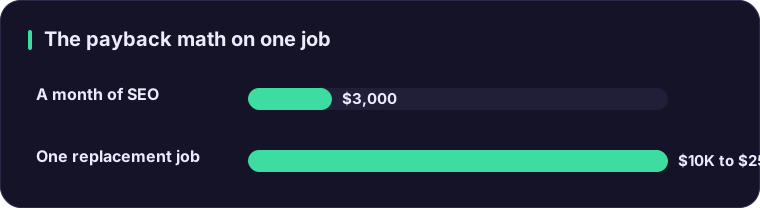
A roof replacement runs $10,000 to $25,000 in most US markets. One job pays for a year of SEO. That math is why roofing SEO works when it is done right, and why so many roofers get burned paying $500 a month for reports nobody reads. This guide covers what actually moves rankings for roofing companies in 2026: the map pack, city service pages, reviews, and a site that loads before your prospect gives up.
The three searches that matter for roofers
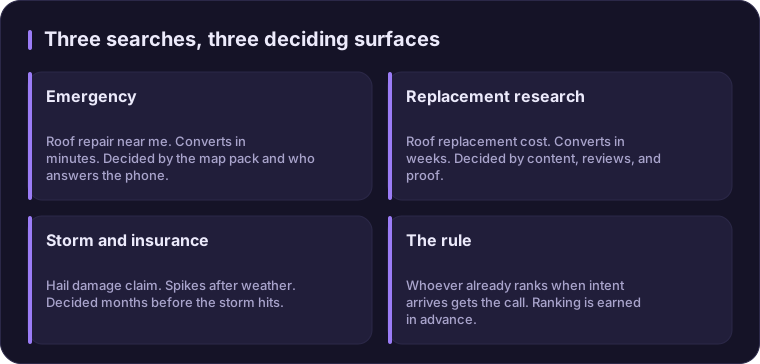
Roofing demand shows up in three distinct search patterns, and they convert differently. Build for all three or you leave the highest-intent one to whoever answers the phone first.
- Emergency: "roof repair near me", "roof leak repair". Highest intent, decided in the map pack, usually within the hour. The winner is whoever ranks in the three map results and picks up.
- Replacement research: "roof replacement cost", "how long does a roof last". The homeowner is weeks from buying and comparing three companies. Content and reviews decide this one.
- Storm and insurance: "hail damage roof insurance claim". Spikes after weather events. If you publish the claim walkthrough before the storm season, you own the spike.
The storm spike is the one most roofers lose, because the rankings that catch it are earned months before the weather. The pre-season play is in Storm Season SEO for Roofers.
Win the map pack first
The order is not a preference, it follows from the intent above. Emergency work converts in minutes, and the map pack is the only search surface a homeowner sees within minutes. So whatever you fix second, fix the profile first.
For "near me" and "{city} roofing company" searches, most clicks go to the three map results above the organic links. Your Google Business Profile is the asset. Set the primary category to Roofing contractor, list real service areas, and upload photos of your crews on actual roofs every week. Profiles with recent photos and recent reviews sit above stale ones with more total reviews.
Reviews are a ranking factor and a closing tool
Velocity beats count. Ten reviews in the last month outweigh a hundred from 2023. Build the ask into the final walkthrough: the crew lead sends the review link by text while they are still in the driveway. Respond to every review, including the bad ones. Homeowners read the responses to see who they are hiring.
Your website: city pages that earn their place
One page per city you actually work, each carrying proof you were there: jobs completed with photos, the materials that hold up in that climate, permit specifics, response times from your shop. A template with the city name swapped in is a doorway page, and Google filters those. Twenty thin city pages will do less than five real ones.
Speed decides more than design
Your prospect is standing in a driveway on a phone, often with a tarp on the roof behind them. If the site takes five seconds to load, they hit back and call the next result. Test your site on a real phone over cellular. Under three seconds or fix it first, because nothing else in this guide pays off on a slow site. The full build list, and what to skip, is in The Roofing Website That Converts.
Content that still earns traffic in 2026
AI Overviews now answer generic questions for free. "What is flashing" and "how do gutters work" get answered on the results page, and the click never comes. Skip that entire category. Write what AI cannot answer for free: your actual pricing, storm playbooks for your county, real job breakdowns with numbers, and insurance claim walkthroughs from claims you have handled. That content gets cited by AI tools instead of replaced by them, and the reader it attracts is a buyer, not a student.
What SEO costs for a roofing company
Most roofing companies land between $1,500 and $5,000 a month depending on market size and competition. The full breakdown, including what each tier should include and the red flags that mark a bad provider, is in How Much Does SEO Cost for Roofers in 2026?
What to measure
- Calls from your Google Business Profile, tracked with a call tracking number.
- Form leads from the website, tagged by page so you know which city pages produce.
- Rankings for "{your city} roofing company" and "roof repair {your city}".
- Leads per month against average job value. This is the only number that justifies the spend.
If most of your leads still come from shared-lead vendors, the endgame of all this measurement is replacing them with channels you own. That transition, with the math, is in How to Get Roofing Leads Without Buying Them.